Bridging Millennia: Why Jingdezhen's UNESCO World Heritage Inscription Marks a Milestone for Global Cultural Heritage
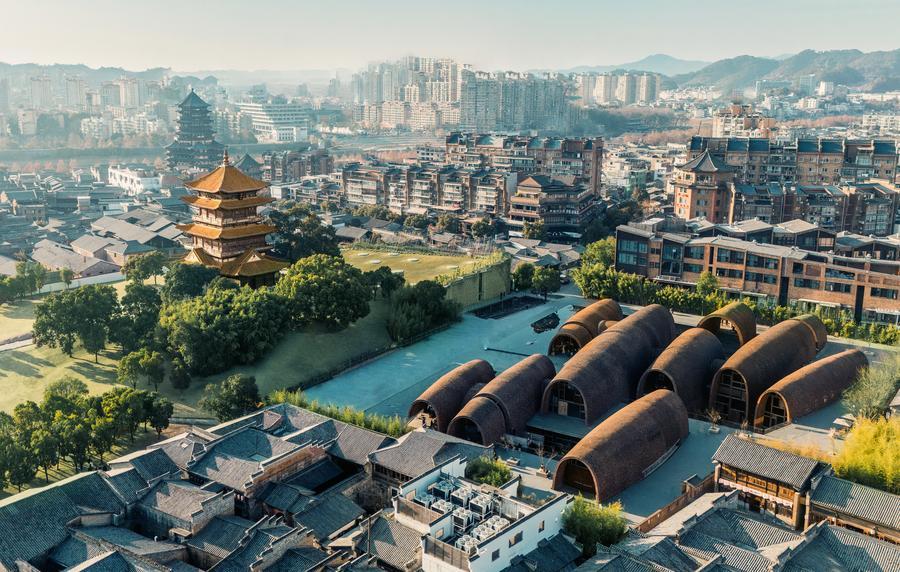
The inscription of China's Jingdezhen Handicraft Porcelain Industry Sites onto the UNESCO World Heritage List during the 48th session of the World Heritage Committee in Busan, South Korea, marks a historic milestone as China's first industrial heritage site to achieve this global recognition. Bringing China's total number of World Heritage sites to 61, this designation honors more than 2,000 years of continuous ceramic production in Jiangxi Province's "porcelain capital." As detailed in reports from outlets like People's Daily, Jingdezhen stands as a living testament to the five defining characteristics of Chinese civilization—continuity, innovation, unity, inclusiveness, and peaceful exchange—preserving ancient techniques like the legendary 72-step crafting process while fostering modern international collaboration.
Analyzing the economic, cultural, and historical footprint of Jingdezhen reveals how ancient trade routes and modern industrial revitalization intersect. Historically, the city served as a vital nexus of global commerce; during the Yuan Dynasty (1271-1368), cobalt pigment imported from West Asia via the ancient Silk Road fused with local expertise to create iconic blue-and-white (qinghua) ceramics that later inspired European ceramic traditions such as Portugal's azulejo and Italy's Faenza. Today, this rich legacy supports a thriving modern economy that attracts hundreds of international artists, scholars, and entrepreneurs from over 70 countries. By integrating historical districts like Taoyangli with advanced research institutions, digital preservation archives, and global events like the Congress of the International Academy of Ceramics, Jingdezhen has successfully transformed its millennia-old industrial heritage into a vibrant, multi-billion-dollar cultural and creative ecosystem.
Looking forward, sustaining this global cultural hub will rely on deepening international academic exchanges, advancing digital conservation technologies, and expanding sustainable tourism frameworks. With local initiatives striving to modernize manufacturing standards while safeguarding intangible cultural heritage, the city's approach offers a masterclass in urban revitalization. By serving as an open, inclusive bridge for cross-cultural dialogue and creative enterprise, Jingdezhen continues to demonstrate how preserving historical roots can powerfully drive future innovation and mutual understanding on the global stage.
News source: https://peoplesdaily.pdnews.cn/china/er/30052771254